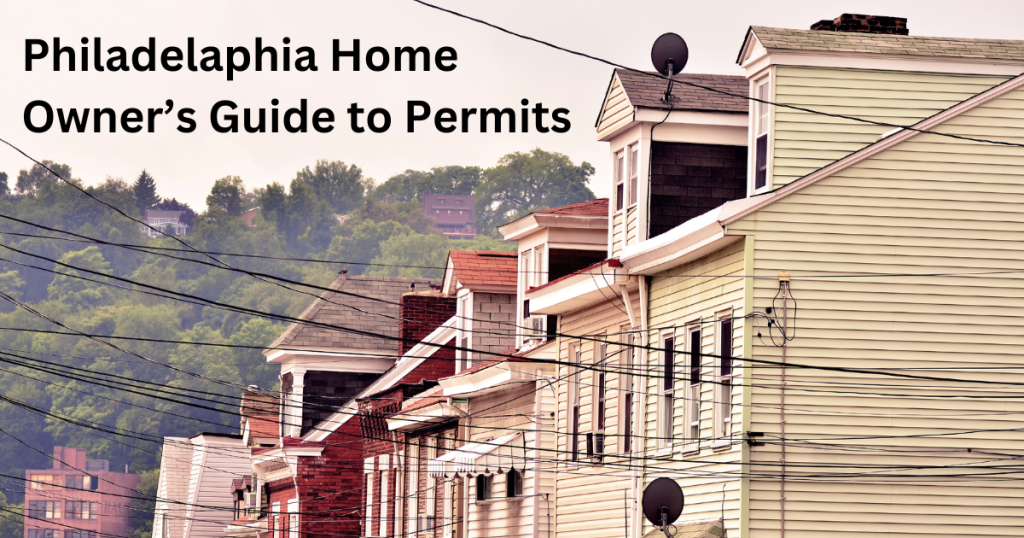
Thinking about improving your home? Whether you’re building a new deck, replacing a roof, finishing a basement, or adding a fence, one question comes up again and again:
The answer depends on the type of work you’re doing—and getting it wrong can lead to delays, fines, or having to redo completed work.
While every project is unique, here’s a general guide to some of the most common home improvement projects in Philadelphia and when permits may be required.
It’s also important to know that not all permit applications follow the same review process. For certain qualifying projects, the City of Philadelphia offers EZ Permits, which are designed for specific types of work that meet predefined requirements. More complex renovations typically require plan review and additional approvals. Determining which process applies to your project is one of the first steps in avoiding unnecessary delays.
Please note: Permit requirements vary depending on the scope of work, your property’s location, and applicable building and zoning regulations. Always verify the requirements for your specific project before beginning construction.
Decks
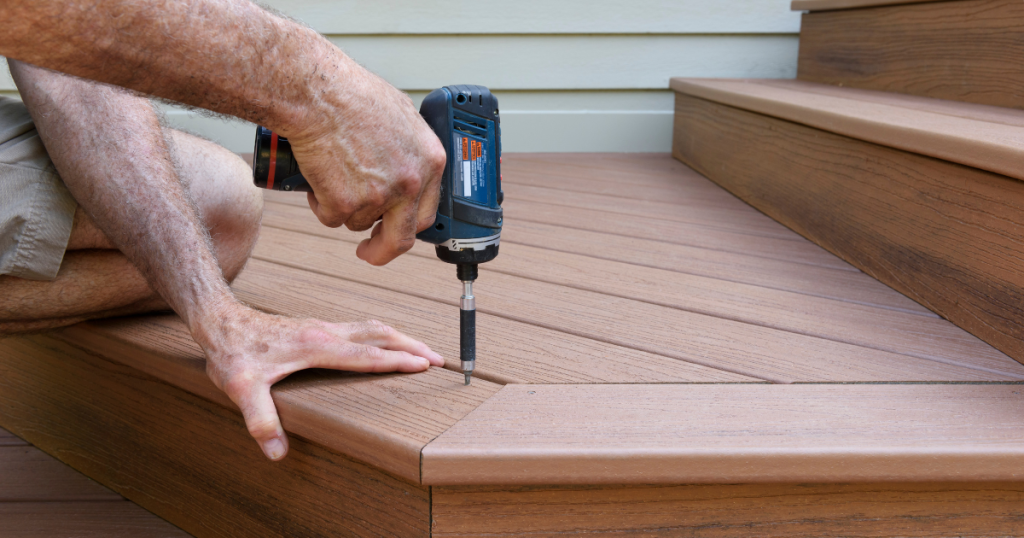
If you’re building a new deck or expanding an existing one, you’ll often need a building permit. Depending on the design, size, and location, zoning approval may also be required.
Before construction begins, make sure your plans meet current code requirements.
Patios
Many ground-level patios may not require a building permit, but projects involving retaining walls, drainage changes, or other structural work could require additional approvals.
It’s always worth checking before work begins.
Fences

Fence requirements often depend on height, location, and materials. In some situations, zoning regulations may apply even when a building permit is not required.
Planning ahead can help avoid costly modifications later.
Finished Basements
Turning your basement into additional living space often requires permits, particularly when adding bedrooms, bathrooms, electrical work, plumbing, or mechanical systems.
If the finished basement changes how the space is used, additional approvals may also be necessary.
Kitchen Remodels

Simply replacing cabinets and countertops may not require permits. However, relocating plumbing, electrical wiring, gas lines, or structural walls often does.
Bathroom Renovations
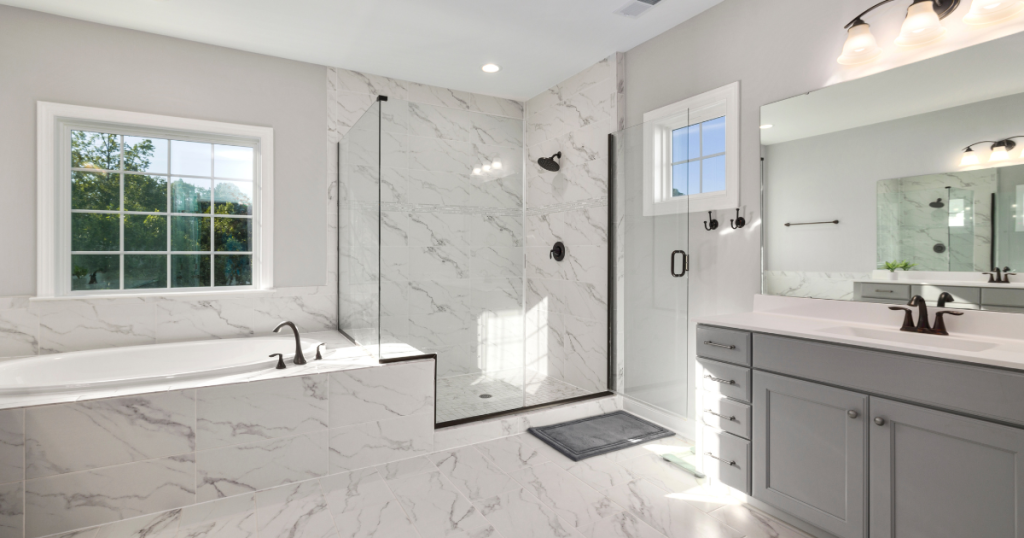
If your project involves moving plumbing fixtures, upgrading electrical systems, or changing structural components, permits are commonly required.
Roof Replacement
Some roof replacements may not require permits, while structural repairs or modifications to the roof system often do. When in doubt, verify the requirements before scheduling your contractor.
Windows and Doors
Replacing existing windows and doors with similar products may not require permits in every situation. Creating new openings or altering structural framing generally requires approval.
Garages and Sheds
Constructing a new detached garage or shed may require permits depending on its size, location, and intended use.
Zoning regulations frequently play an important role for accessory structures.
HVAC Systems
Installing or replacing heating and air conditioning equipment often requires permits and inspections to ensure safe installation.
Water Heaters
Many water heater replacements require permits to verify proper installation and code compliance.
Solar Panels
Solar energy systems typically require permits and multiple reviews before installation.
Home Additions
Whether you’re adding a bedroom, sunroom, second story, or expanding your home’s footprint, you’ll almost certainly need permits, approved plans, and inspections.
These projects often involve several city departments and multiple approvals.
Why Checking First Matters
One of the most common calls we receive starts with:
“We already started construction…”
Unfortunately, beginning work without the necessary approvals can create expensive problems later.
You may encounter:
- Stop Work Orders
- Violations & Fines
- Permit delays
- Additional design costs
- Failed inspections
- Difficulty selling the property
- Insurance complications
- Costly corrective work
Taking time to understand the requirements before construction begins can save significant time, money, and stress.
Not Sure? Ask Before You Build.
No two projects are exactly alike.
Permit requirements depend on factors including:
- Scope of work
- Existing conditions
- Property zoning
- Historic designation
- Structural changes
- Utility modifications
- Building occupancy
That’s why researching your specific project before construction begins is always the safest approach.
At Comporth, we help homeowners understand permit requirements, coordinate architectural drawings, navigate zoning and municipal approvals, and keep projects moving from planning through completion.
If you’re wondering whether your project requires a permit, we’re happy to help you determine the next steps before construction begins.
I LOVE this topic.
This is exactly the kind of article that can become an evergreen traffic generator because people search variations of “Do I need a permit for…” every single day. Even if they don’t end up needing one, they’ll remember Comporth as the company that helped them figure it out.
I’d actually tweak the title slightly to maximize SEO.
SEO Title
Do I Need a Permit? A Philadelphia Homeowner’s Guide
Focus Keyword
Philadelphia building permit
Meta Description
Wondering if your project needs a Philadelphia building permit? Learn which home improvements typically require permits and when to check before starting work.
Category
Permits & Approvals
Tags
Philadelphia building permit, Homeowners, Home Renovation, Deck Permit, Fence Permit, Building Permits, Permit Expediting, Municipal Compliance, Home Improvements, Philadelphia Permits, Residential Construction, Code Compliance, Blueprints, Property Owners, Comporth LLC
Here’s the blog post.
Do I Need a Permit? A Philadelphia Homeowner’s Guide
Thinking about improving your home? Whether you’re building a new deck, replacing a roof, finishing a basement, or adding a fence, one question comes up again and again:
“Do I need a permit?”
The answer depends on the type of work you’re doing—and getting it wrong can lead to delays, fines, or having to redo completed work.
While every project is unique, here’s a general guide to some of the most common home improvement projects in Philadelphia and when permits may be required.
Please note: Permit requirements vary depending on the scope of work, your property’s location, and applicable building and zoning regulations. Always verify the requirements for your specific project before beginning construction.
Decks
If you’re building a new deck or expanding an existing one, you’ll often need a building permit. Depending on the design, size, and location, zoning approval may also be required.
Before construction begins, make sure your plans meet current code requirements.
Patios
Many ground-level patios may not require a building permit, but projects involving retaining walls, drainage changes, or other structural work could require additional approvals.
It’s always worth checking before work begins.
Fences
Fence requirements often depend on height, location, and materials. In some situations, zoning regulations may apply even when a building permit is not required.
Planning ahead can help avoid costly modifications later.
Finished Basements
Turning your basement into additional living space often requires permits, particularly when adding bedrooms, bathrooms, electrical work, plumbing, or mechanical systems.
If the finished basement changes how the space is used, additional approvals may also be necessary.
Kitchen Remodels
Simply replacing cabinets and countertops may not require permits.
However, relocating plumbing, electrical wiring, gas lines, or structural walls often does.
Bathroom Renovations
If your project involves moving plumbing fixtures, upgrading electrical systems, or changing structural components, permits are commonly required.
Roof Replacement
Some roof replacements may not require permits, while structural repairs or modifications to the roof system often do.
When in doubt, verify the requirements before scheduling your contractor.
Windows and Doors
Replacing existing windows and doors with similar products may not require permits in every situation.
Creating new openings or altering structural framing generally requires approval.
Garages and Sheds
Constructing a new detached garage or shed may require permits depending on its size, location, and intended use.
Zoning regulations frequently play an important role for accessory structures.
HVAC Systems
Installing or replacing heating and air conditioning equipment often requires permits and inspections to ensure safe installation.
Water Heaters
Many water heater replacements require permits to verify proper installation and code compliance.
Solar Panels
Solar energy systems typically require permits and multiple reviews before installation.
Home Additions
Whether you’re adding a bedroom, sunroom, second story, or expanding your home’s footprint, you’ll almost certainly need permits, approved plans, and inspections.
These projects often involve several city departments and multiple approvals.
Why Checking First Matters
One of the most common calls we receive starts with:
“We already started construction…”
Unfortunately, beginning work without the necessary approvals can create expensive problems later.
You may encounter:
- Stop Work Orders
- Permit delays
- Additional design costs
- Failed inspections
- Difficulty selling the property
- Insurance complications
- Costly corrective work
Taking time to understand the requirements before construction begins can save significant time, money, and stress.
Not Sure? Ask Before You Build.
No two projects are exactly alike.
Permit requirements depend on factors including:
- Scope of work
- Existing conditions
- Property zoning
- Historic designation
- Structural changes
- Utility modifications
- Building occupancy
That’s why researching your specific project before construction begins is always the safest approach.
At Comporth, we help homeowners understand permit requirements, coordinate architectural drawings, navigate zoning and municipal approvals, and keep projects moving from planning through completion.
If you’re wondering whether your project requires a permit, we’re happy to help you determine the next steps!
Common Home Projects and Typical Permit Requirements
For example:
| Project | Permit Often Required? |
|---|---|
| Deck | Often |
| Patio | Often |
| Fence | Often |
| Kitchen Remodel | Depends on scope |
| Bathroom Remodel | Depends on scope |
| Finished Basement | Often |
| Roof Replacement | Depends on scope |
| HVAC Replacement | Often |
| Water Heater | Often |
| Solar Panels | Yes |
Please Note: Philadelphia regulations, permit requirements, licensing procedures, and municipal policies can change without notice. This article is intended as general information and should not be relied upon as legal, architectural, engineering, or professional advice. Requirements vary depending on the property, scope of work, and jurisdiction. Always verify current requirements with the appropriate authority before proceeding.