Why Municipal Due Diligence Can Save You Thousands
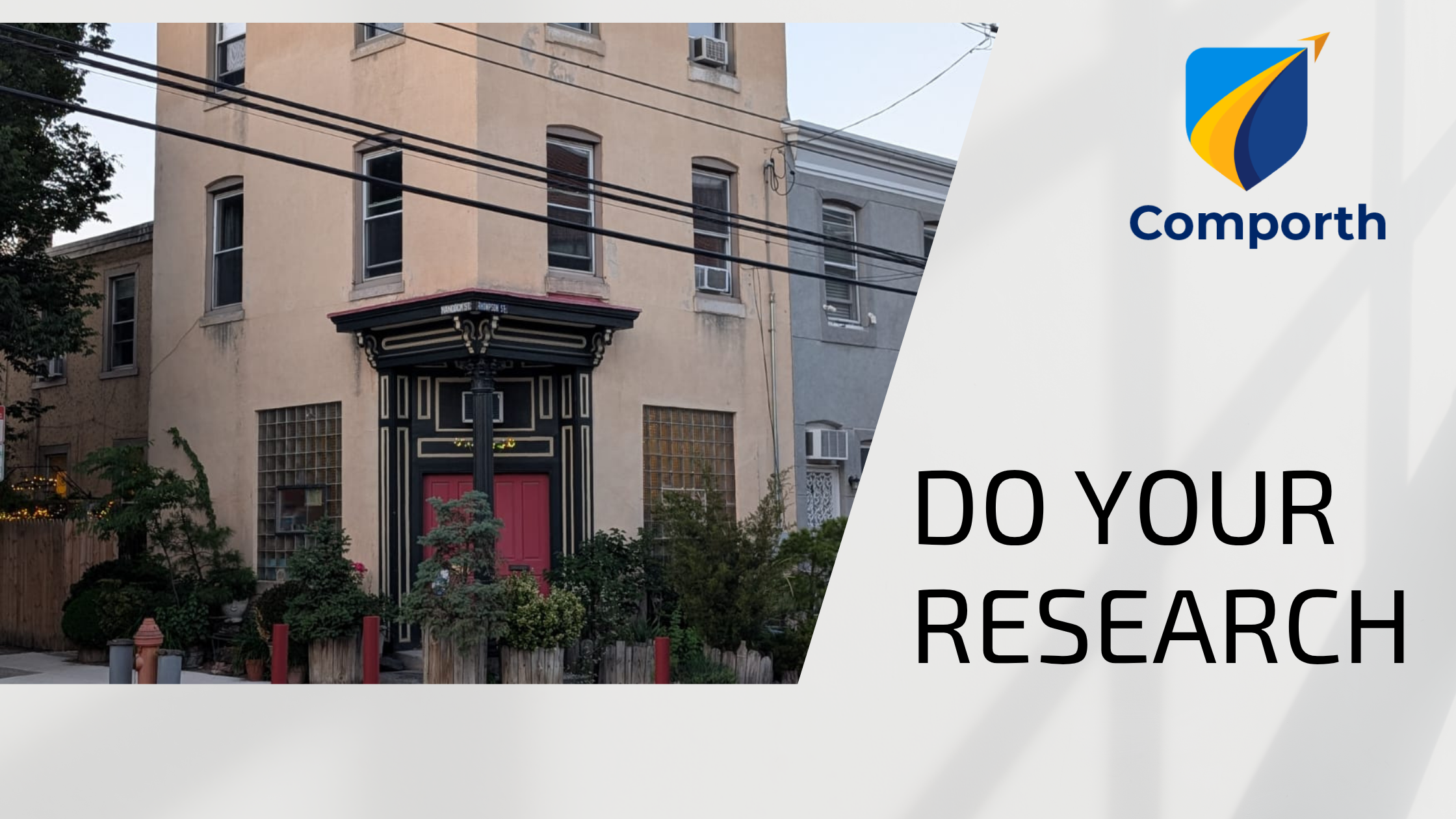
At Comporth, we’ve seen this story play out too many times. New property owners discover that the property they just purchased isn’t exactly what they thought they were buying.
- The deck wasn’t permitted.
- The addition wasn’t approved.
- The intended business use isn’t allowed under current zoning.
- The previous owner left behind open code violations.
- The building doesn’t have the Certificate of Occupancy needed for its current use.
By the time these issues surface, the sale has already closed—and resolving them becomes the new owner’s responsibility.
What Is Municipal Due Diligence?
Most buyers order inspections, appraisals, and title searches before purchasing. Those are all important steps. But municipal due diligence looks at something different: the property’s regulatory history and legal status with the local government.
Questions worth asking before closing:
- Does the property have any open L&I violations?
- Were previous renovations completed with permits?
- Is the current use legal under Philadelphia zoning regulations?
- Are there any open or expired permits?
- Is there a valid Certificate of Occupancy?
- Will your intended renovation require zoning relief or additional approvals?
- Are there licenses or inspections required before you can operate a business?
These questions can significantly affect your timeline, renovation budget, and even your ability to use the property as intended.
“It’s Already Built” Doesn’t Mean It’s Approved
One of the most common misconceptions we encounter is that if a structure already exists, it must be legal. Unfortunately, that’s not always the case.
We’ve seen issues arise with:
- Rooftop decks
- Finished basements
- Garage conversions
- In-law suites (Accessory Dwelling Units)
- Home additions
- Commercial build-outs
- Fences and patios
- Outdoor dining structures
Just because these improvements exist doesn’t mean they were properly permitted or approved by the City. If unpermitted work is discovered later, the current property owner may be required to obtain after-the-fact permits, modify the work, or remove it entirely.
Commercial Buyers Face Additional Challenges
For business owners, purchasing or leasing commercial property comes with another layer of complexity. A space that looks perfect may not be approved for your intended use.
Opening a café, food truck business, smoke shop, daycare, medical office, retail store, salon, or restaurant may require:
- Zoning verification
- Change of occupancy approvals
- Building permits
- Health Department approvals
- Fire Code compliance
- Business licenses
Many entrepreneurs assume they can begin renovations immediately after signing a lease or purchasing a building—only to discover months of municipal approvals are still required. The earlier you understand the approval process, the better you can plan your timeline and budget.
Five Questions Every Buyer Should Ask Before Closing
Before purchasing property in Philadelphia, make sure you can answer these:
1. Are there any open code violations?
Outstanding violations typically remain with the property, regardless of ownership. We’ve seen buyers inherit significant remediation costs from the previous owner’s unpermitted work—costs that weren’t on the table during negotiation.
2. Was previous construction properly permitted?
Unpermitted work can create serious complications when applying for future permits. If the City discovers unapproved construction during a new permit review, you may be required to address the old work before the new project can move forward.
3. Can I legally use the property the way I intend?
Zoning regulations determine what activities are permitted on a property. Verify that your intended use—whether residential, commercial, or mixed—aligns with the current zoning designation before you commit.
4. Are there any open permits or unresolved inspections?
Projects left incomplete by previous owners may require additional action. Open permits can affect your ability to sell or refinance the property down the line.
5. What approvals will I need after closing?
Understanding permit, licensing, and occupancy requirements before purchasing allows you to budget realistically and avoid surprises. Knowing what’s ahead is far better than discovering it mid-renovation.
A Small Investment in Research Can Prevent Big Problems
No property is perfect. The goal isn’t to find one with zero issues—it’s to understand those issues before you commit. A little research before closing can save months of delays, thousands of dollars in corrective work, and countless headaches after the purchase.
How Comporth Can Help
At Comporth, we help property owners, investors, developers, landlords, and business owners understand the municipal side of real estate. Our team can assist with:
- Municipal due diligence
- Permit history research
- Zoning reviews
- L&I record research
- Certificate of Occupancy reviews
- Building permit guidance
- Licensing and compliance requirements
- Architectural drafting and permit coordination
Whether you’re purchasing a home, investing in commercial real estate, or preparing to open a new business, most research can be completed before your closing date.
Thinking about buying property in Philadelphia?
Contact Comporth before you close. We’ll help you understand what you’re buying—so you can move forward with confidence.
Please Note: Philadelphia regulations, permit requirements, licensing procedures, and municipal policies can change without notice. This article is intended as general information and should not be relied upon as legal, architectural, engineering, or professional advice. Requirements vary depending on the property, scope of work, and jurisdiction. Always verify current requirements with the appropriate authority before proceeding.